Soils for all plant needs
Success in growing plants – whether indoors or outdoors – starts with the basics: the right substrate or soil and the right fertilization . Just as each plant has different needs for light, water and nutrients, it also requires its own “soil” to grow properly.
The substrate is not just soil – it is the entire environment in which roots grow: the medium that holds water, air and nutrients.
If you use the wrong substrate, even the most beautiful plant can weaken: the roots rot, the foliage turns yellow, and growth stops. The right mix offers a balance between drainage and moisture , aeration and stability , and the right pH .
At the same time, choosing the right fertilizer complements the nutrition of plants with the necessary macro- and trace elements. The use of fertilizer that is specifically designed for each plant category (such as for cacti, flowering plants, acidophiles or vegetables) ensures abundant flowering , rapid growth and green and vibrant foliage .
In the guide below, you will find detailed recommendations for substrate mixtures by plant category and the appropriate type of fertilizer that accompanies them. Learn how to provide your plant with the ideal environment to truly flourish!
In this article, on the one hand, we will analyze the commercial substrates, and on the other hand, we will provide a key or a guide for those who want to make their own substrate.
📘 Descriptions of Substrate Types by Category
🌿 General Purpose Soil
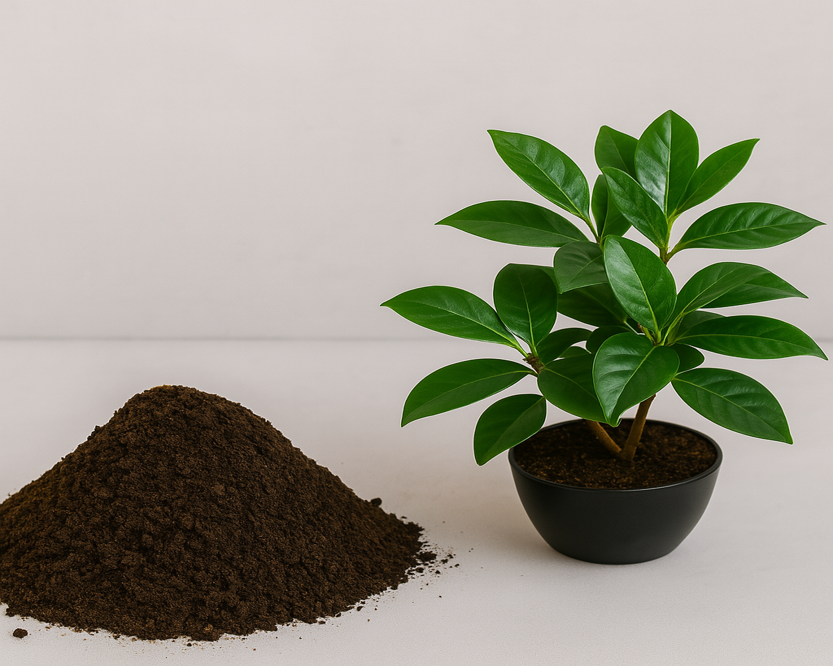
The universal soil is suitable for most indoor and outdoor plants, such as monstera, dracaena, pothos, zamia, spathiphyllum and aromatics such as basil and mint. It has a neutral to slightly acidic pH (5.8–6.5) and contains peat, compost, perlite and coco. It offers a balance between drainage and water retention. Watering every 3–5 days is recommended depending on the season.➡️ Combine with: General Purpose Fertilizer
🍋 Soil for Acidophiles

Acidophile soil is designed for plants that require an acidic pH, such as gardenias, camellias, azaleas, rhododendrons, blueberries and ferns. Its pH ranges between 4.5–5.5. It contains acidic peat, perlite, coco and sand, for good drainage and maintaining a low pH. It requires regular watering with deionized or rainwater every 2–4 days, especially in the warm months.➡️ Combine with: Acidophile Fertilizer
🌵 Soil for Succulents and Cacti
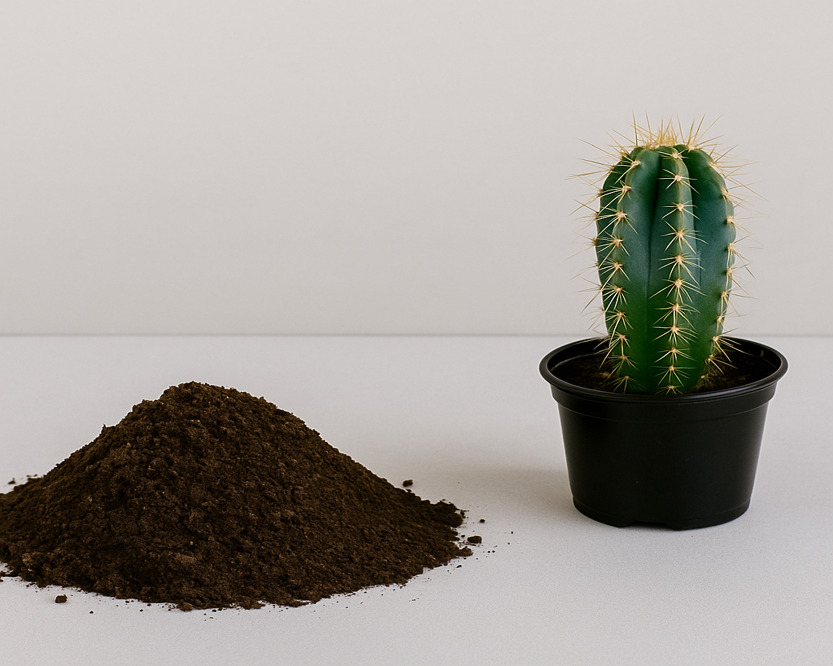
This soil is suitable for plants that do not tolerate excessive moisture, such as Echeveria, Opuntia, Sansevieria, Haworthia and Crassula. The substrate has a pH of 6.0–7.5 and consists of river sand, perlite, leaf soil and pumice. It ensures very good drainage. Water every 7–14 days, depending on the season and the size of the pot.➡️ Combine with: Fertilizer for Cacti and Succulents
🌼 Soil for Flowering Plants
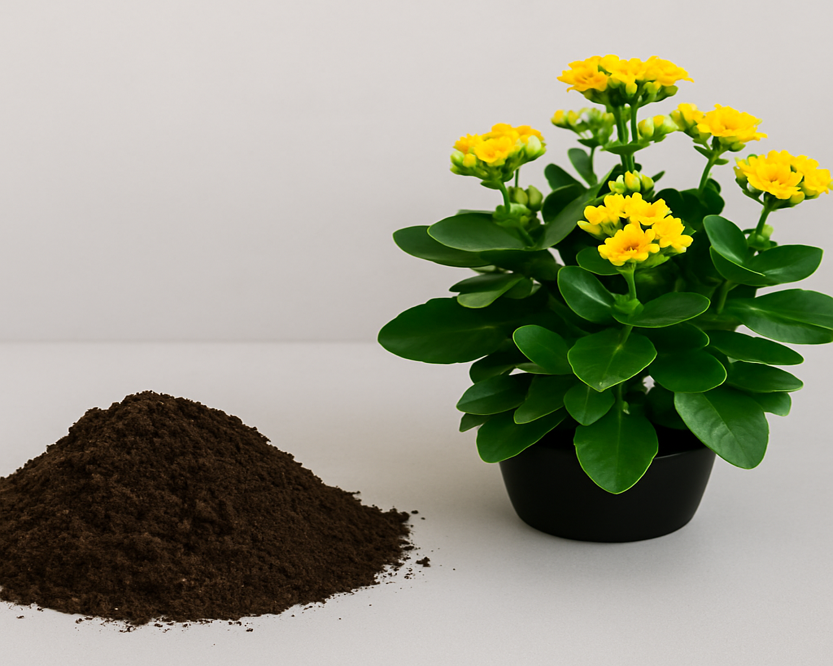
Used for plants that aim for abundant flowering such as kalanchoe, guzmania, spathiphyllum, amaryllis and hibiscus. The pH ranges from 5.5–6.5 and contains peat, leaf soil, compost and perlite. It retains nutrients and moisture without creating conditions for rot. Water every 3–5 days.➡️ Combine with: Fertilizer for Flowering Plants
🥬 Soil for Vegetables
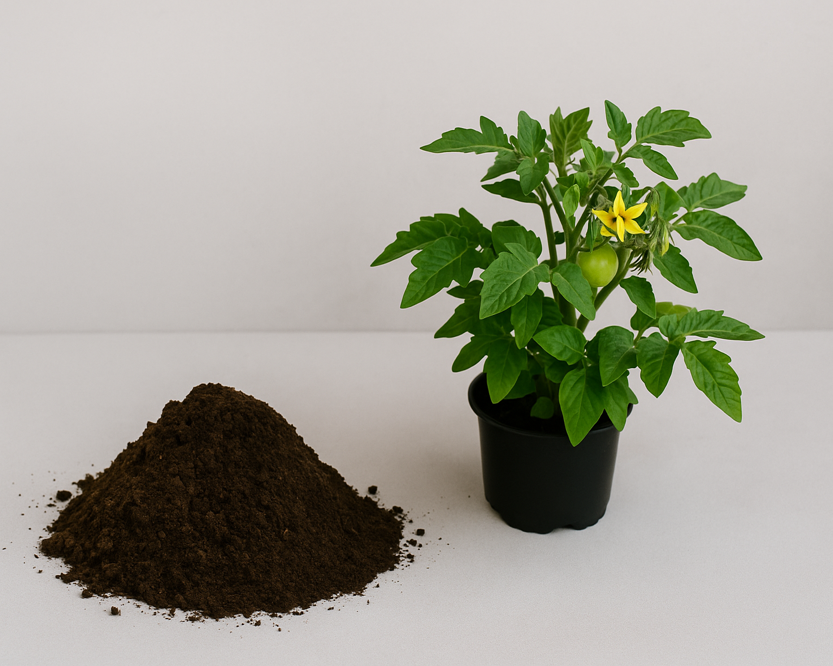
This soil is suitable for vegetables in pots and in flower beds such as tomatoes, peppers, eggplant, lettuce and strawberries. The pH ranges from 6.0–7.0. The composition includes general-purpose potting soil, compost, perlite, sand and zeolite. Rich in organic matter and well-drained. Water every 1–3 days depending on the season.➡️ Combine with: Vegetable & Garden Fertilizer
🌳 Soil for Fruit Trees in Pots

Ideal for lemon, pomegranate, peach, orange and small fruit trees. It has a pH of 6.5–7.5 and contains topsoil, compost, sand, zeolite and expanded clay for stability and drainage. Water every 2–4 days, more often in spring–summer.➡️ Combine with: Fertilizer for Fruit Trees
🌴 Soil for Palm Trees

Suitable soil for coco, yucca, washingtonia and other palms. The substrate has a pH of 6.5–7.5, a slightly sandy consistency and includes potting soil, sand, perlite and compost. It ensures drainage and at the same time stability for large plants. Water every 4–7 days.➡️ Combine with: Fertilizer for Palms
Use the key below to create your own potting soil.
This guide acts as an identification key – helping you step by step to find the ideal substrate for your plants, depending on the location and type of plant. Ideal for amateurs and professionals who want to take care of their plants properly!
🔍 Step 1: Where is your plant located?
🏠 Inside the house → Go to Step 2
🌤️ Outdoors or on a balcony → Go to Step 3
📦 Step 2: What type of plant do you have at home?
🌿 Broad, green leaves (e.g. passionflower, monstera, dracaena):
→ Substrate for indoor use: 2 coco + 1 peat + 1 vermiculite + ½ perlite pH: 5.5–6.5
🌼 Flowering (e.g. kalanchoe, spathiphyllum):
→ Substrate for flowering plants: 1 peat + 1 leaf soil + 1 compost + 1 perlitepH: 5.5–6.5
🌵 Cactus or succulent (e.g. sansevieria, echeveria):
→ Substrate for cacti/succulents: 2 sand + 1 leaf soil + 1 perlite + 1 pumicepH: 6.0–7.5
🌿 Step 3: What type of plant do you have outdoors?
🥬 Vegetables Tomato, pepper, lettuce:
→ Substrate: 2 compost + 1 soil + 1 perlite + ½ zeolitepH: 6.0–7.0
🌳 Fruit-bearing in a pot Lemon tree, pomegranate tree, peach tree:
→ Substrate: 2 parts general purpose soil + 1 part compost + 1 part sand + ½ part expanded claypH: 6.5–7.5
🌴 Coco Palm, yucca:
→ Substrate: 2 compost + 1 sand + 1 perlite + ½ claypH: 6.5–7.5
🌿 Aromatic/herb Oregano, thyme, mint:
→ Substrate: 1 peat + 1 leaf soil + 1 perlitepH: 5.5–6.5
🍇 Grapevine / Vine Vine, grapevine:
→ Substrate: 1 universal soil + 1 compost + 1 perlite + ½ zeolitepH: 6.0–7.0
🌲 Conifer / Leyland shrub, thuja, oleander:
→ Substrate: 2 parts general purpose soil + 1 part compost + 1 part sand + ½ part clay pH: 6.5–7.5
✍️ Final Tip:
If you're not sure, start with a general-purpose substrate (1 peat + 1 leaf soil + 1 perlite) and adjust according to your plant!
🖊️ Article writer: Zaraidonis Emmanouil, PhD candidate, Agricultural University of Athens


Comments